

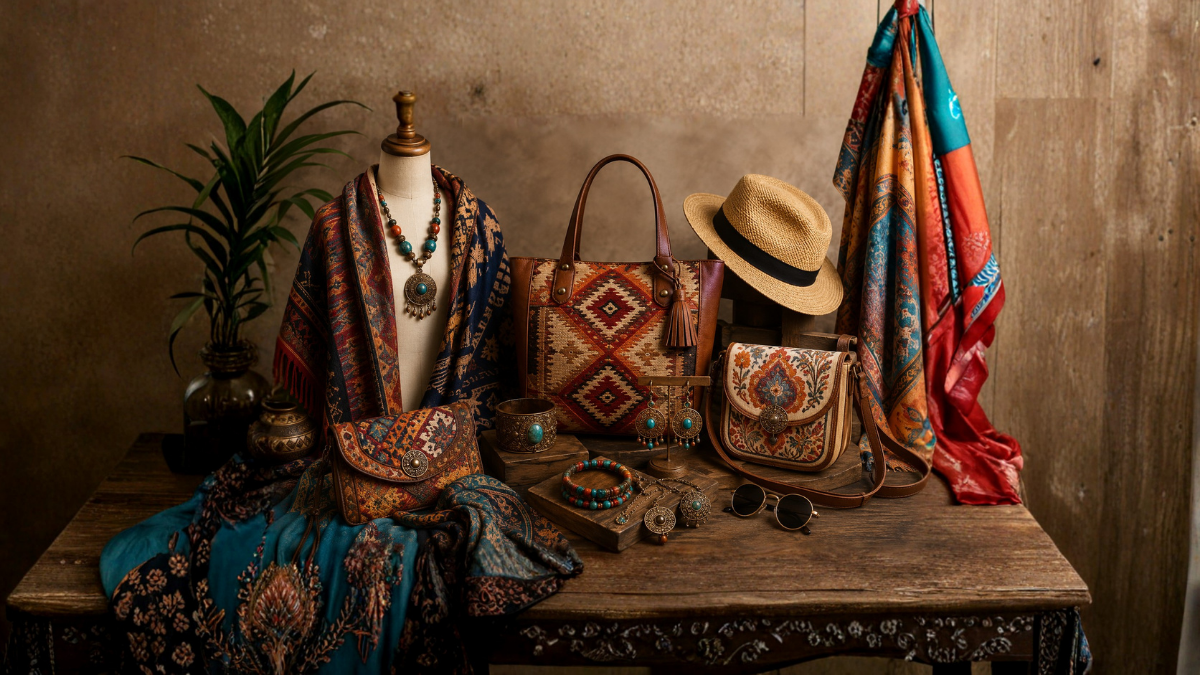
Fashion is constantly changing, but handmade craftsmanship never truly goes out of style. Global Artisan Fashion & Accessories brings together creativity, traditional craftsmanship, cultural heritage, and modern fashion in a way that makes every product feel special. From handcrafted jewelry and woven bags to embroidered clothing, handmade scarves, leather accessories, and traditional-inspired fashion pieces, artisan products offer something different from mass-produced fashion.
Artisan fashion is not simply about wearing attractive clothes or accessories. It is also about appreciating the people, skills, traditions, and stories behind each creation. Many handmade products are carefully produced by skilled craftspeople who have learned techniques passed down through generations.
Today, consumers around the world are becoming more interested in products that feel authentic, personal, and meaningful. This growing interest has helped artisan fashion move from small local markets to international online stores, boutiques, exhibitions, and fashion collections.
What Is Global Artisan Fashion & Accessories?
Global artisan fashion refers to clothing, jewelry, footwear, bags, scarves, hats, belts, and other fashion accessories created using traditional or specialized handmade techniques from different parts of the world.
Unlike factory-made products, artisan products often involve significant human participation. A craftsperson may spend hours or even days creating one item, depending on its complexity.
For example, an artisan handbag may be handwoven using natural fibers. A necklace may be assembled from individually selected beads. A scarf may be traditionally woven or embroidered. A piece of clothing may feature detailed hand stitching or decorative patterns inspired by a particular culture.
The word “global” is important because artisan fashion is not limited to one country or region. Different cultures have their own materials, colors, patterns, techniques, and design traditions. When these traditions become available to international customers, they create a fascinating global fashion community.
Why Is Artisan Fashion Becoming Popular?
There are several reasons behind the growing popularity of artisan fashion and accessories.
1. Every Product Feels Unique
One of the biggest advantages of handmade fashion is uniqueness. Small variations in stitching, weaving, patterns, colors, or materials can make two handmade products slightly different from each other.
This gives customers an opportunity to own something that does not look exactly like thousands of other products.
For people who want their personal style to stand out, artisan accessories can be an excellent choice.
2. Connection With Traditional Craftsmanship
Artisan fashion provides a connection between modern consumers and traditional skills.
Many crafts have existed for decades or centuries. Techniques such as weaving, embroidery, beadwork, metalwork, carving, dyeing, and hand stitching can represent the history of a community.
Buying an artisan product can therefore be more than a fashion purchase. It can be a way of appreciating traditional craftsmanship.
3. Handmade Details Add Character
Mass-produced products are designed to be manufactured quickly and consistently. Handmade products can have more visible details and character.
A handwoven bag may have a distinctive texture. A handmade necklace may feature unusual beads. Embroidered clothing may have detailed patterns that require considerable effort.
These small details can make artisan products especially attractive to people who value craftsmanship.
4. Growing Interest in Conscious Fashion
Consumers are increasingly thinking about where their clothing and accessories come from.
People want to know how products are made, what materials are used, and whether craftspeople receive fair recognition for their work.
Artisan fashion can fit naturally into this growing interest in conscious and responsible consumption, particularly when brands work transparently with independent makers and support fair compensation.
Popular Categories in Global Artisan Fashion
Global artisan fashion covers a wide range of products. Some of the most popular categories include clothing, jewelry, bags, footwear, scarves, and decorative accessories.
Handmade Jewelry
Artisan jewelry is one of the most popular areas of handmade fashion.
Handcrafted necklaces, bracelets, earrings, rings, anklets, and pendants can be created from materials such as beads, natural stones, metals, wood, shells, glass, and other decorative elements.
The appeal of artisan jewelry comes from its variety. Some designs may be simple and minimal, while others can feature bold colors and elaborate patterns.
Handmade jewelry can also work well as a personal gift because its distinctive appearance can make it feel more thoughtful than a generic accessory.
Artisan Bags
Handmade bags combine fashion with practical use.
Common examples include woven handbags, leather bags, embroidered purses, shoulder bags, tote bags, backpacks, and small crossbody bags.
Different regions may use different materials and techniques. Natural fibers, leather, fabric, beads, embroidery, and traditional weaving methods can all be incorporated into bag designs.
Because bags are used frequently, choosing an artisan-made option can also make craftsmanship a visible part of everyday fashion.
Handmade Clothing
Artisan clothing can include dresses, shirts, jackets, skirts, trousers, tunics, coats, and traditional-inspired outfits.
Embroidery, hand printing, weaving, patchwork, decorative stitching, natural dyeing, and handcrafted embellishments can transform simple clothing into distinctive fashion pieces.
Some modern designers combine traditional techniques with contemporary silhouettes. This creates clothing that respects traditional craftsmanship while remaining suitable for modern wardrobes.
Scarves and Textiles
Handmade scarves are another important category of artisan fashion.
They may be woven, embroidered, printed, dyed, or decorated by hand. Scarves are versatile accessories because they can be worn in many different ways.
A carefully selected artisan scarf can add color and texture to an otherwise simple outfit.
Artisan Footwear
Handcrafted footwear includes sandals, slippers, traditional shoes, boots, and other styles.
Artisan footwear may use hand stitching, woven materials, leatherwork, embroidery, or decorative elements.
The main attraction is often the combination of practical design and traditional craftsmanship.
Cultural Influence on Artisan Fashion
Culture plays an important role in global artisan fashion.
Patterns, colors, materials, symbols, and techniques can reflect the history and identity of the communities where products are made.
For example, weaving traditions may communicate regional heritage, while embroidery patterns may represent local artistic styles. Jewelry designs can also be influenced by traditional celebrations, ceremonies, or historical aesthetics.
However, cultural appreciation should be approached respectfully. Brands and consumers should avoid treating traditional designs simply as trends without recognizing their origins.
Responsible artisan fashion should aim to celebrate craftsmanship while giving appropriate credit to the communities and makers involved.
The Importance of Supporting Artisans
Behind every handmade product is a person or group of people.
Artisans often develop their skills through years of practice. Their work can provide income for individuals, families, and local communities.
When consumers purchase directly from artisans or from responsible businesses that work fairly with craftspeople, they can help support traditional skills and independent livelihoods.
This is particularly important for crafts that face competition from inexpensive mass-produced alternatives.
Supporting artisans can help keep valuable techniques alive and encourage younger generations to continue learning traditional skills.
How to Choose Quality Artisan Fashion
Buying handmade does not automatically mean every product is high quality. Consumers should still pay attention to craftsmanship and materials.
Check the Materials
Look carefully at the materials used in the product. Natural fibers, quality fabrics, genuine leather, carefully finished metals, beads, stones, or other materials can affect durability and appearance.
Examine the Craftsmanship
Look at stitching, seams, closures, edges, embroidery, weaving, and other details.
Small variations are normal in handmade products, but poor finishing, loose threads, weak closures, or uneven construction may indicate lower quality.
Understand the Product’s Origin
A trustworthy artisan fashion seller should provide information about where the product was made and, when possible, who made it.
Information about the materials and techniques can also help customers understand the value of the item.
Consider Practicality
Beauty is important, but practical use matters too.
Before buying a bag, for example, consider its size, weight, compartments, strap length, and durability. For clothing, check measurements and fabric characteristics.
For jewelry, consider weight, fastening mechanisms, and whether the materials are suitable for your skin and lifestyle.
Artisan Fashion for Different Personal Styles
One of the best things about global artisan fashion is its versatility.
Minimalist Style
People who prefer simple fashion can choose small handmade earrings, delicate bracelets, neutral woven bags, or subtly textured scarves.
Bohemian Style
Bohemian fashion works particularly well with artisan accessories. Layered necklaces, colorful bracelets, woven bags, embroidered clothing, and patterned scarves can create a relaxed appearance.
Classic Style
Traditional artisan techniques can also work beautifully with classic wardrobes. A handcrafted leather bag, elegant scarf, or simple metal jewelry piece can add personality without overwhelming an outfit.
Bold and Creative Style
For people who enjoy making a statement, colorful artisan jewelry, patterned clothing, embroidered bags, and unusual handmade accessories can become the main focus of an outfit.
Styling Global Artisan Accessories
Artisan accessories can be incorporated into everyday fashion without requiring an entirely handmade wardrobe.
For example, a simple white shirt can be paired with a colorful handmade necklace. A plain dress can be complemented by a woven handbag. Neutral clothing can be enhanced with a patterned scarf.
The key is balance.
If an accessory has strong colors or detailed patterns, keeping the rest of the outfit relatively simple can allow the handmade piece to stand out.
Layering is another effective technique. Several bracelets or necklaces can create a relaxed artisan-inspired appearance, while one statement piece can provide a more sophisticated look.
Artisan Fashion as a Gift
Handmade fashion accessories can make memorable gifts because they often have a personal and distinctive character.
A handmade bracelet, scarf, bag, necklace, or pair of earrings can be selected according to someone’s personality and style.
When giving artisan products as gifts, it can also be meaningful to share the story behind the item. Information about the craft, materials, or region of origin can make the gift feel even more special.
The Future of Global Artisan Fashion
Technology is changing how artisans connect with customers.
In the past, many craftspeople depended mainly on local markets, exhibitions, wholesalers, or physical stores. Today, online marketplaces and social media can help artisans reach customers in different countries.
This creates new opportunities but also introduces challenges.
Artisans may need to manage international shipping, digital marketing, photography, customer service, packaging, and online payments. Businesses that provide these services responsibly can help independent makers reach a larger audience.
The future of artisan fashion is likely to involve a combination of traditional craftsmanship and modern technology.
Digital platforms can introduce traditional crafts to new audiences, while contemporary designers can help transform traditional techniques into products that appeal to modern consumers.
Why Global Artisan Fashion Matters
Global artisan fashion is about more than clothing and accessories.
It represents creativity, cultural heritage, human skill, individuality, and the connection between makers and consumers.
In a world filled with standardized products, handmade fashion offers an alternative. It allows people to choose products with visible craftsmanship and distinctive character.
For artisans, international demand can create opportunities to preserve traditional skills and develop sustainable livelihoods. For consumers, artisan products can provide fashion pieces that feel more personal and meaningful.
The best artisan fashion combines beauty with craftsmanship and tradition with modern design.
Final Thoughts
Global Artisan Fashion & Accessories offers an exciting way to explore fashion through the creativity of makers from different cultures and regions. From handcrafted jewelry and woven bags to embroidered clothing, scarves, footwear, and unique accessories, artisan products bring individuality to modern wardrobes.
Choosing artisan fashion can also encourage appreciation for traditional craftsmanship and independent makers. However, consumers should look for quality, transparency, responsible sourcing, and accurate information about the origins of products.
Whether you prefer minimalist accessories, colorful bohemian pieces, classic designs, or bold statement fashion, there is an artisan style that can complement your personality.
Ultimately, artisan fashion reminds us that clothing and accessories can be more than manufactured objects. They can carry craftsmanship, creativity, cultural influence, and stories created by human hands.
Frequently Asked Questions
1. What is global artisan fashion?
Global artisan fashion refers to clothing and accessories created using handmade or traditional craftsmanship techniques from different cultures and regions around the world.
2. What products are included in artisan fashion?
Artisan fashion can include handmade jewelry, handbags, clothing, scarves, footwear, belts, hats, wallets, and other fashion accessories.
3. Why are artisan products considered unique?
Handmade products often contain small variations in patterns, textures, stitching, colors, and finishing. These characteristics can make each piece different from mass-produced products.
4. Is artisan fashion environmentally friendly?
Artisan fashion can support more conscious consumption, particularly when products are made with durable materials, produced in small quantities, and sourced responsibly. However, sustainability depends on the individual product and production process.
5. Are handmade fashion products expensive?
Prices vary considerably. Some artisan products are affordable, while highly detailed or time-consuming pieces can cost more because of the labor, materials, and expertise involved.
6. How can I identify a quality handmade product?
Check the materials, stitching, construction, finishing, fastenings, and overall durability. Reliable sellers should also provide clear information about the product and its craftsmanship.
7. Can artisan accessories be worn with modern clothing?
Yes. Handmade accessories can easily be combined with modern outfits. A handcrafted necklace, bag, scarf, bracelet, or pair of earrings can add personality to simple contemporary clothing.
8. Is artisan fashion suitable for everyday use?
Many artisan products are designed for everyday use. Bags, scarves, jewelry, footwear, and other accessories can become part of a regular wardrobe when selected according to quality and practicality.
9. Why should consumers support artisans?
Purchasing responsibly made artisan products can help independent craftspeople earn income and can contribute to preserving traditional skills and cultural craftsmanship.
10. Can artisan fashion make a good gift?
Yes. Handmade jewelry, scarves, bags, and other accessories can make thoughtful gifts because they often have distinctive designs and a personal handcrafted character.
11. What should I check before buying artisan clothing online?
Check the size chart, measurements, materials, care instructions, product photos, return policy, shipping information, and seller details before placing an order.
12. What is the future of global artisan fashion?
The future is likely to combine traditional craftsmanship with modern design and digital commerce. Online platforms can help artisans reach international customers while designers can introduce traditional techniques to new audiences.